
Planet School Campuses
Day School with an Adventure Streak
Our multi-campus experience meets 8th graders where they are developmentally: seeking to assert their independence but likely having very little experience away from home for long stretches of time. Some students may have never done an overnight without their family. Our Academic Calendar builds student independence and resilience from scratch, starting with single overnights aboard our vessel in the harbor and building gradually to our multi-week trek across Portugal in the spring.
The Planet School is not a boarding school. For a majority of the year, students come to school in the morning and return home in the evening. Even when schooling locally, our days are spent on our ship at the dock or on daysails, in the forest nearby, or inside our storefront space building a haunted house. Our multi-campus structure features five overnight experiences that are between 10-12 days in length, several 1-2 night excursions, and our four week trek in Portugal.
While prior independent overnight experience can certainly be helpful, it is not essential. Instead of background, the two critical characteristics that matter to us are a “can do” attitude in the student and a supportive, “let them leave the nest” attitude from the parents.
OCEAN

Schooner Wonder
New Bedford, MA
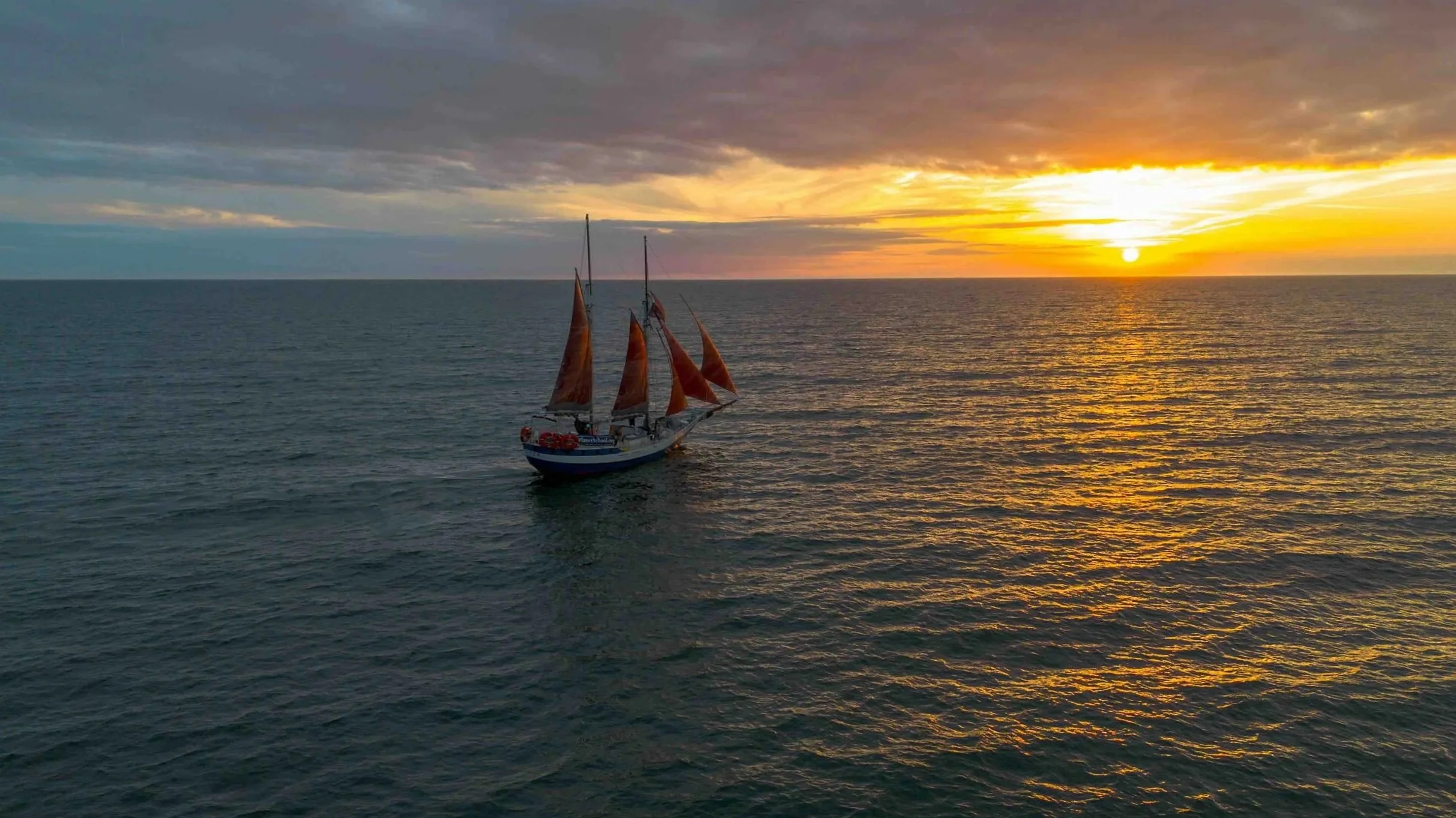
For first seven weeks of school, students get dropped off to school on our dock in New Bedford to spend the day aboard our 80’ steel tall ship named Wonder. Beginning with dockside classes and expanding to day sails, students learn to stand watch, handle lines, navigate by chart and compass, and hoist sails. Every day brings new responsibility. The Planet School positions the Ocean Campus first in the campus sequence because it helps form community and set standards for work ethic and performance. There are no effort grades on the ocean, just proper ways of working. In confronting this new environment on equal footing, students become a tight-knit crew.
As the ocean term gets underway and miles begin to pass beneath the keel, we weave in the stories and science of the sea. Students read literature inspired by the ocean and conduct marine science as part of our global science project, Ocean Pi. Math is learned through practical navigation problems.
The Ocean Campus features three one-night overnights aboard Wonder, starting with The Planet School’s inaugural overnight at anchor in the harbor. The campus culminates with a 8-day voyage to Cape Cod and Nantucket.
When Wonder is not serving as the Ocean Campus for Planet School students, it offers day sails, sunset sails, and charters to the public through The Planet School’s partner business, The Voyaging Institute. Learn more about Wonder and book a sail with us to experience the ship! All profits from our charter work goes to supporting The Planet School.

DOWNTOWN
Haunted House
Fairhaven, MA
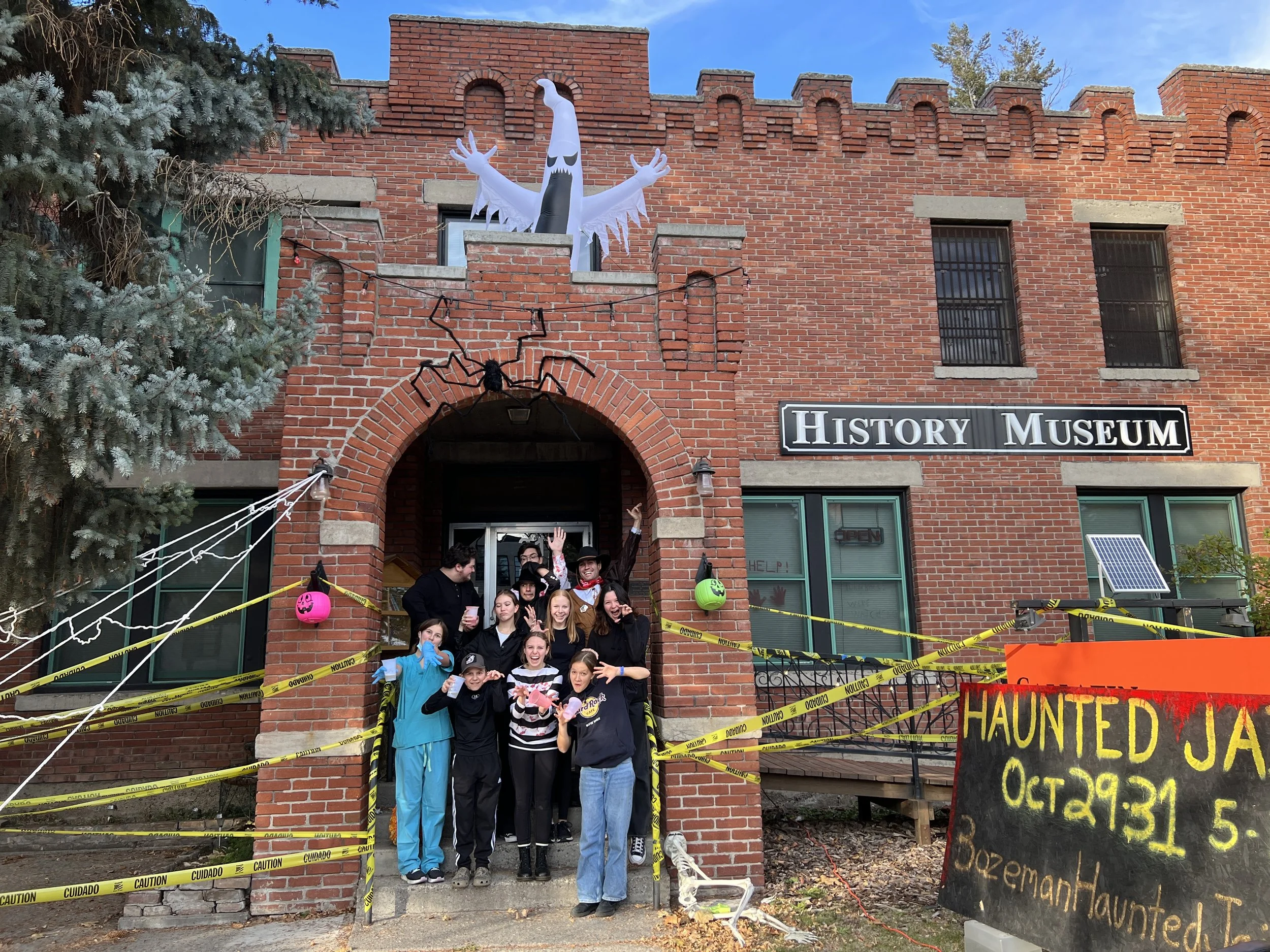
This is the only campus that students visit twice in two six-week blocks: first in the fall and again in the winter (see the Academic Calendar). Students spend Downtown Campus #1 in the fall launching a pop-up business from scratch: a haunted house in downtown Fairhaven. This requires planning, marketing, and creating a budget. Students also learn to work with shop tools in order to construct the sets they design.
Students return to the Downtown Campus in the spring to apply what they learned from the haunted house to creating an enduring business. Working with student mentors from Brown University who run The Underground, Brown’s student-run cafe, students will conceptualize and create a real coffee shop. Financial forecasting, business planning, and, introductory accounting are the topics of math class. Students also get an introduction to the stock market as they consider what to do with the profits from the haunted house. Spooky literature and urban planning are the focus of english and social studies.
As part of pre-launch work for The Planet School, we created a student-led haunted house project in 2022 that was wildly successful. Following the haunted house, we launched a student-managed evening youth space inside a local museum called “The Secret Workshop.” These projects serve as prototypes for the Downtown Campus.

MOUNTAIN
Trails and Roads Across America
Texas, Florida, Appalachian Mountains
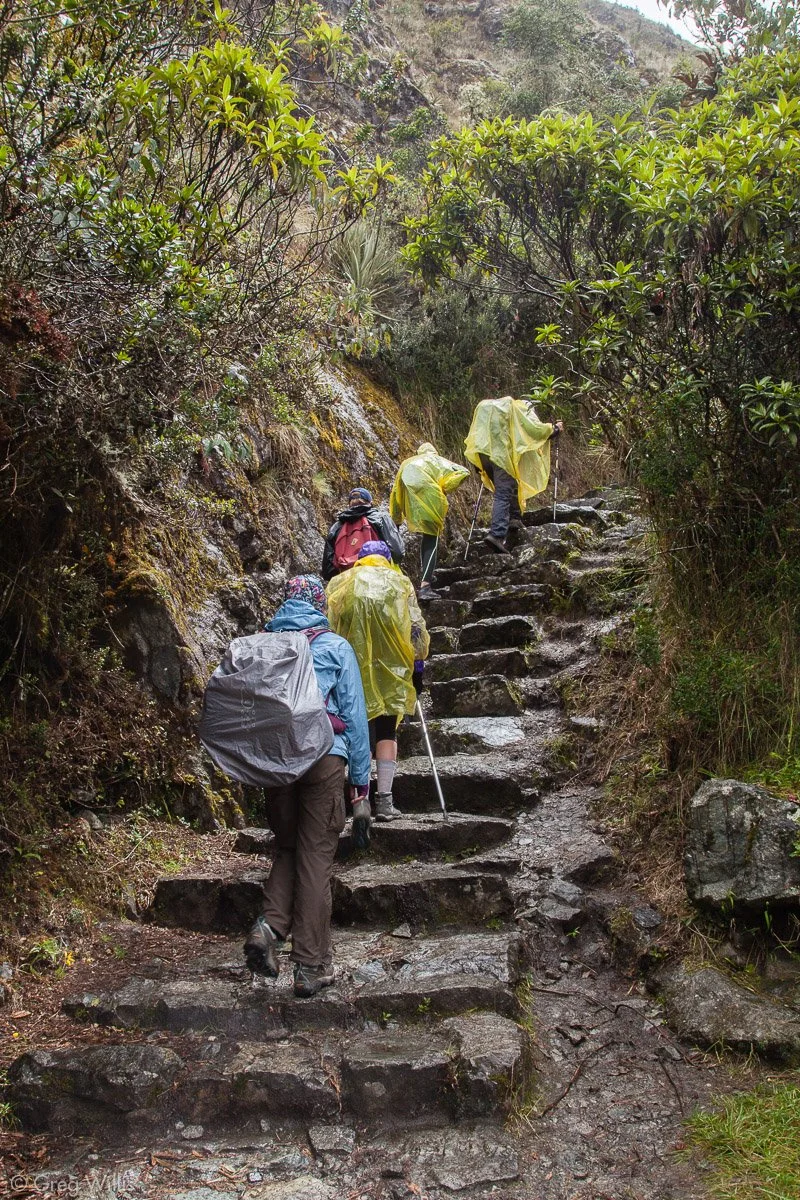
The Mountain Campus is structured as three sequential two-week backpacking treks, each one building the skills, stamina, and judgment students will need for the next. This segment blends overland travel, wilderness immersion, and place-based learning. Students set off from Fairhaven for each trek in 15 passenger vans, stopping at historic sites along the way to the trailhead. The roadtrip itself is treated as part of the educational journey, not just a logistical hurdle to move through as quickly as possible. Students fly home as a group at the conclusion of each journey.
The first trek takes students to the Lone Star Hiking Trail north of Houston, Texas, a low-elevation, densely forested route through the Sam Houston National Forest that's ideal for building foundational skills: managing gear and food over an extended stretch, navigating as a team, and developing the physical conditioning long-distance hiking demands, all in a relatively forgiving winter climate.
The second trek moves to the Florida Trail through the Ocala National Forest, where students encounter a different kind of terrain: sandy trail beds, scrub and pine flatwoods, and Florida's distinct backcountry ecology. With the fundamentals in place from the first trek, students take on more responsibility here for planning, navigation, and group decision-making.
That progression culminates in a multi-day stretch of the Appalachian Trail. As the Mountain Campus’ capstone, the AT's longer mileage, more variable terrain, and greater demands on self-sufficiency tests not just physical readiness but the judgment and independence the Mountain Campus sequence was designed to build.
EUROPE
Camino de Santiago
Camino Portugués, Portugal
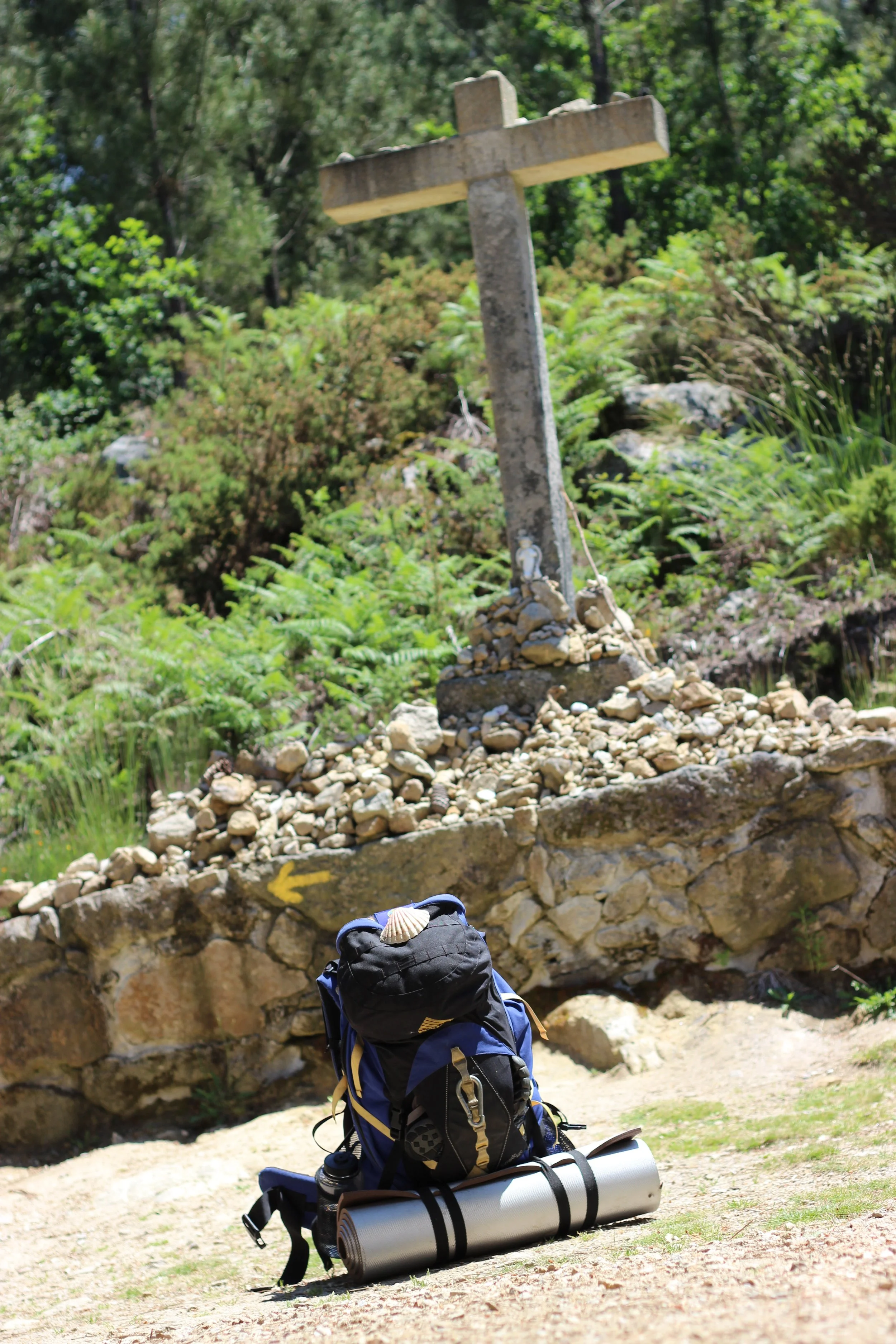
Beginning in Lisbon, students shoulder their packs and set out on the Camino de Santiago—one of Europe's great long-distance pilgrimage routes—walking roughly four weeks across Portugal and into Spain toward Santiago de Compostela. By this point, students have already logged three treks on the Mountain Campus; the physical stamina and trail sense are already honed. The Camino asks for something different: sustained daily walking not through wilderness but through villages, vineyards, farms, and medieval towns, moving at a human pace that reveals history and culture in a way a faster journey could not.
Before departing, each student takes on the "Salu Was Here" project: finding someone who would find spiritual meaning in the pilgrimage but can't complete it themselves (usually due to age or disability) and carrying that person's name and story the length of the walk. It's a project rooted in The Planet School's own founding Camino experience and it turns the trek into something larger than the students’ own experience on “the way.”
Days blend physical effort with quiet moments. Resting in small cafés, crossing rolling countryside, and meeting fellow pilgrims from around the world are regular fixtures of the Camino. Students keep daily travel journals, study the region's history and pilgrimage traditions, and manage the shared logistics of moving as a group across two countries. Reaching Santiago de Compostela is the culmination of a journey in resilience, reflection, and intentional travel that students carry with them well beyond the Camino itself.
FOREST
Off-grid Community
South Coast, MA
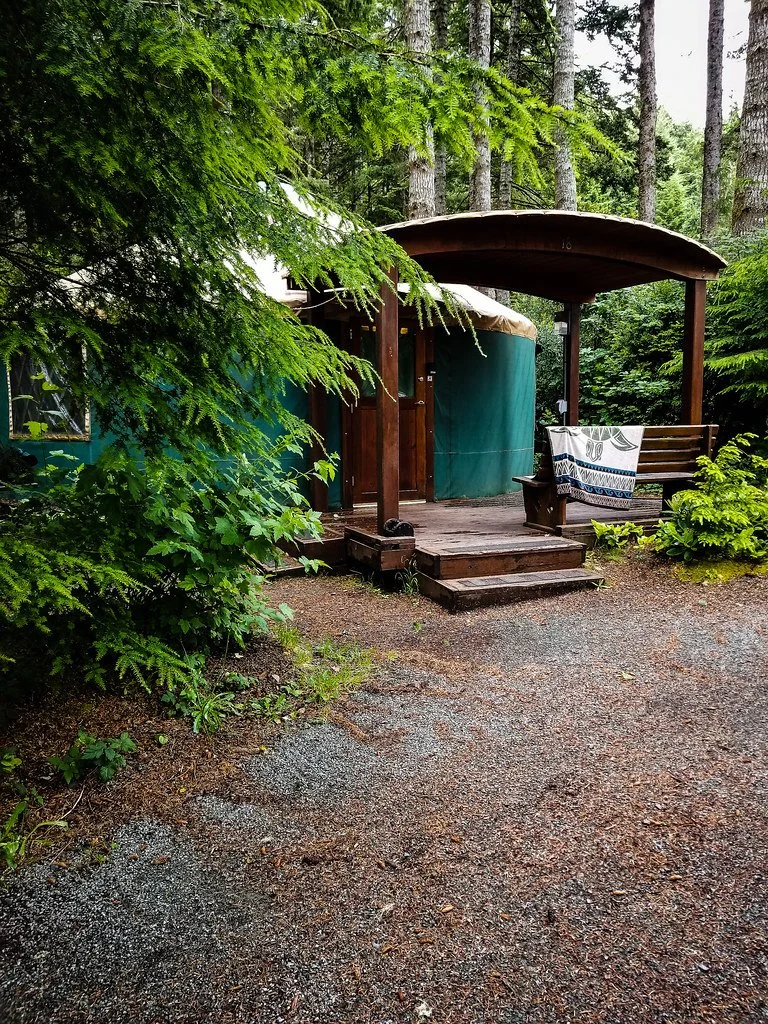
In this six-week immersion, the forest becomes both workshop and classroom. Using the modular designs from Open Source Ecology's Future Builder's Academy, students construct a fully functional, off-grid micro-structure from bare ground to finished building, cutting timber, framing walls, wiring solar systems, installing rainwater capture, and putting in the systems that make independent living possible.
The Forest Campus is where a year at The Planet School comes together. The physical stamina and comfort in the outdoors built on the Mountain Campus treks meets the self-sufficiency of running a ship's closed systems at sea; the endurance and daily discipline of the Camino meet the hands-on building skills and urban-planning thinking developed Downtown. Every campus before this one has been, in some sense, training for this: living outside, running your own systems, sustaining effort over distance, and shaping the built environment around human needs.
Students don't build in a vacuum, either. Each cohort inherits the campus as the students before them left it—existing structures, established systems, a community already underway—and has to decide what their own structure is for. Is it housing? A shared kitchen? A workshop, a gathering space, infrastructure the community still lacks? That decision is itself part of the education: reading what a place needs, understanding what's already been built, and choosing how to add to it rather than start over.
Throughout the process, students study sustainable design, regenerative materials, energy systems, and the ethics of building communities that tread lightly on the land. The campus culminates in a final test of everything they've built and learned: a week living independently in the community they've created, with adults present nearby but deliberately separate, leaving students to run their own systems, solve their own problems, and sustain themselves entirely on what the year has taught them.