
Push yourself

Learn by Doing from Teachers Who Have Done It.
At the Planet School, exceptional students spend their final two years of high school taking on problems like climate change, human civilization design, and economic inequality.
Examples of projects that students will work on include:
Launching a pop-up business as they study economics.
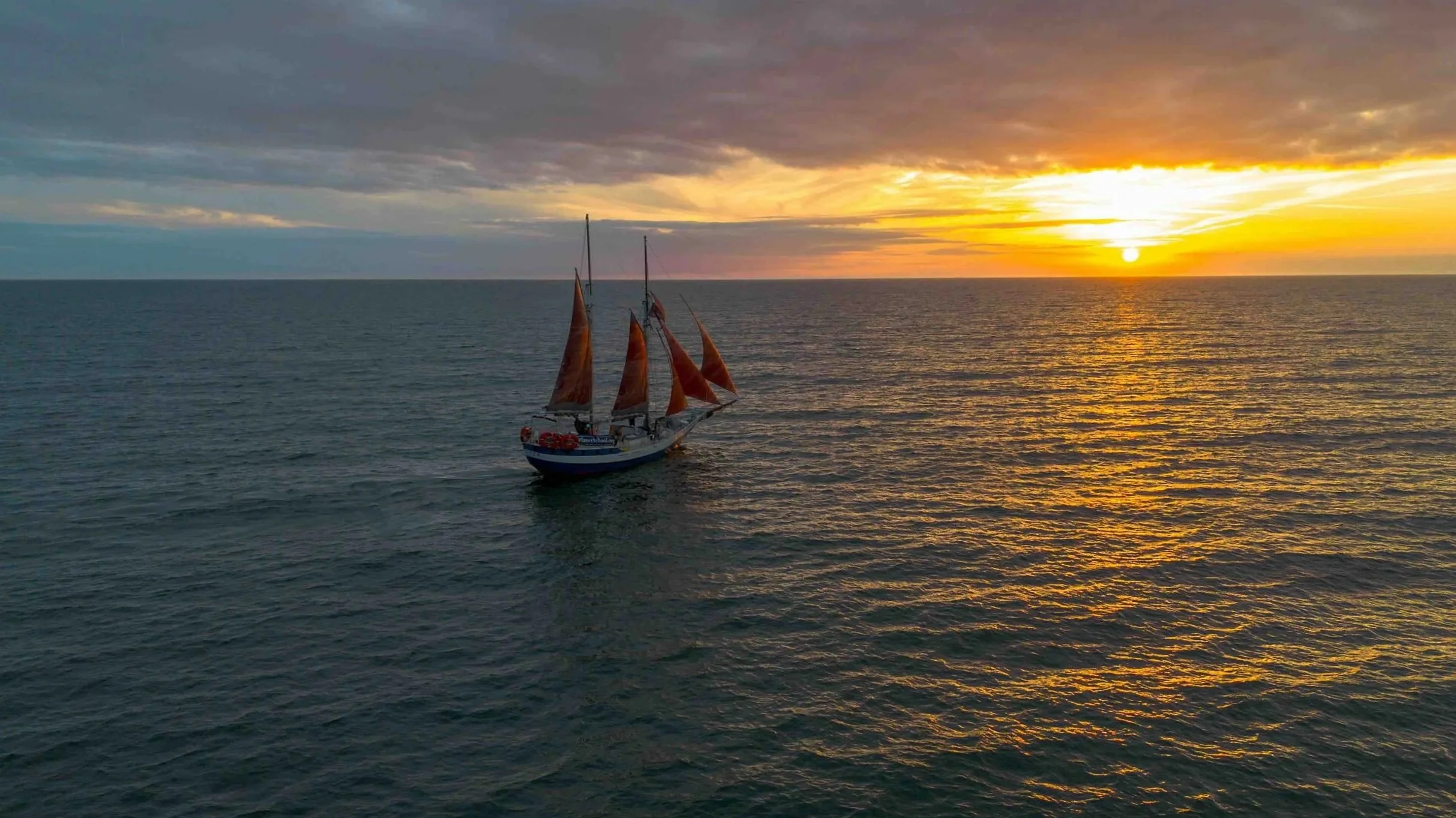
Conducting oceanographic research while living aboard and learning to navigate a tall ship.
Managing a working farm while investigating our global food production systems.
Constructing a building as part of a course on urban planning.


Planet-Level Design Thinking
The goal of the Planet School is to equip students with the academic, interpersonal, and leadership skills to think about, discuss, and take action on “planet-sized” problems. This happens through hands-on, experiential learning that is unparalleled in its investment in student agency and curiosity.
Students work alongside world-class faculty to operate and expand the school’s physical and human systems—the Planet School itself is affected by the decisions students make. This is particularly true on the rural campus, where students have the opportunity to design and build a community from scratch.
We have observed that teenagers are, generally, undervalued in terms of what they can contribute to our societies. Planet School students have usually spent their youth as change-makers within their communities, leaders amongst their peers, or have participated in extracurricular activities that simulate real world systems (e.g. Model UN). The Planet School gives these students the opportunity to spend their final two years of high school amongst like-minded visionaries who are ready to stop simulating and start building the future they dream of inhabiting.


DOWNTOWN
Launch a Business, Invest the Profits
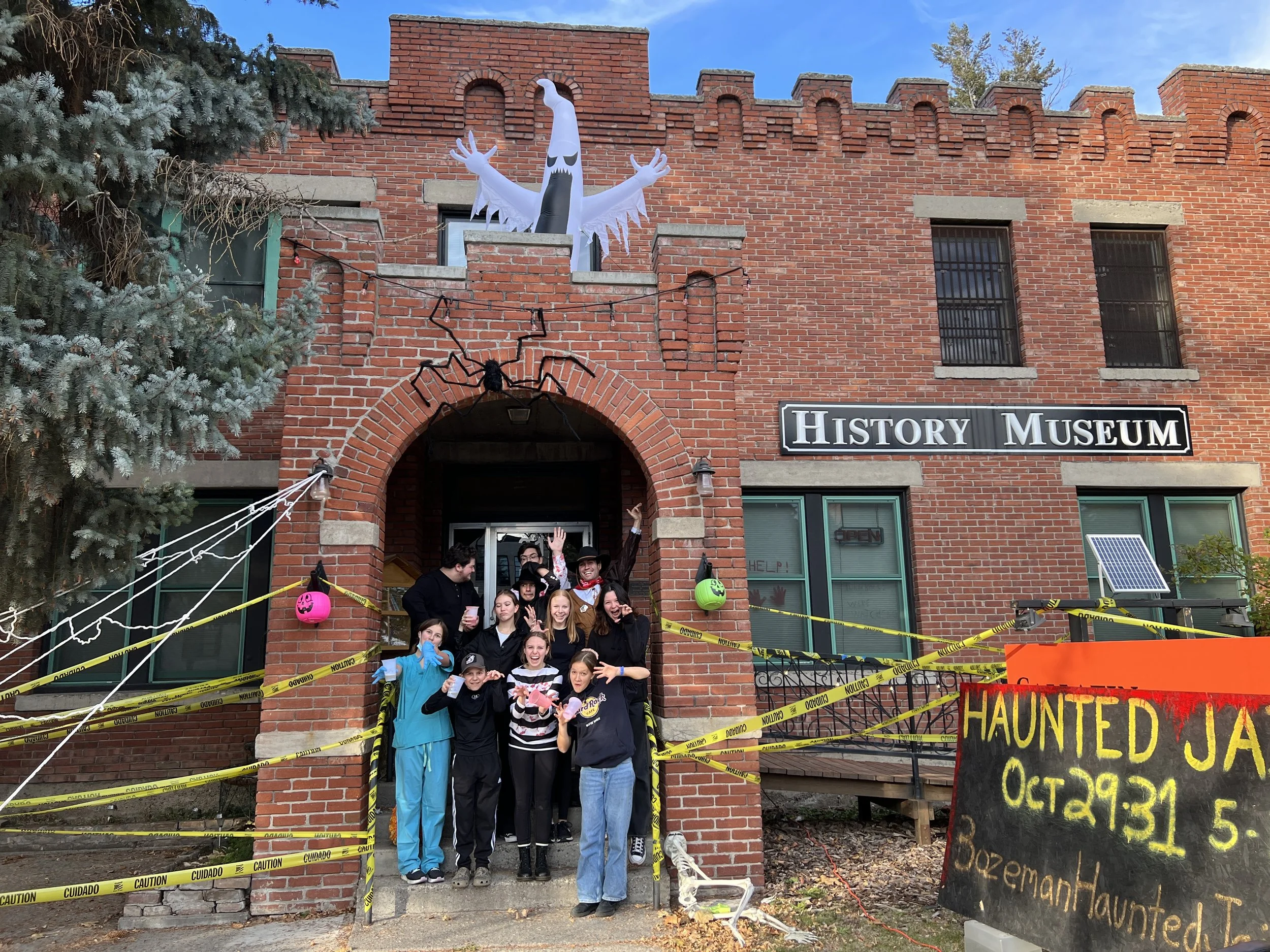
Learn entrepreneurship by designing, building, and launching a pop-up business from scratch: a haunted house in downtown Fairhaven, MA. This process requires acumen in marketing, physical space development, budget management, pricing, permitting and regulatory oversight, and more. This will be done in the context of a downtown revitalization plan being led by Downtown Design Lab, so you will also study urban planning to understand what makes healthy downtowns tick.
In tandem, students will participate in the decision-making of the Ancestor Fund. Any profits from the pop-up will be invested in the fund with a portion set aside for the students themselves, which will be eligible for withdrawal when the students turn 40. This gives them skin in the game and alignment with a long-term investment perspective.

For seven weeks, the schooner Wonder becomes your home, your classroom, and your proving ground. Under the guidance of professional mariners, students stand watch, handle lines, navigate by chart and compass, and learn the rhythms of life at sea. Every day brings new responsibility: steering through night watches, plotting positions, hoisting sails, and working as a tight-knit crew.
As the miles pass beneath the keel, we weave in the stories and science of the sea. You will read literature inspired by the ocean and conduct marine science as part of our global science project, Ocean Pi. In doing so, you will learn the basics (or expand your skill) of coding in Python, one of the most ubiquitous programming languages. This passage from Cape Cod to Key West builds grit, teamwork, confidence, and the ability to thrive in demanding, real-world environments.
OCEAN
Sail from Cape Cod to Key West
MOUNTAINS
Roadtrip & Camp Across America
Following a restorative winter break, the cohort reconvenes in Key West and sets out on a seven-week expedition across the United States. This segment blends overland travel, wilderness immersion, and place-based learning. Students journey from the Atlantic to the Pacific—camping under the stars, partnering with community hosts, and spending more than half the trip backpacking through some of the most iconic landscapes in the American Southwest. More than half of this journey takes place on foot—carrying everything we need, unplugging from the noise, and learning how the land itself shapes culture, history, and identity. Students build resilience, leadership, and real wilderness skills while studying the stories of America written in both people and place.
Along the way, we trace portions of the historic Route 66, exploring small towns, desert ecosystems, Indigenous histories, and the layered story of American westward expansion. Days alternate between trail miles, journal writing, cooking together, team leadership roles, and deep engagement with both American history and natural history. Students learn to travel lightly, live communally, and read the landscapes and cultures they move through—gaining confidence and perspective with every mile.

Begin in Lisbon, shoulder your pack, and set out on a seven-week trek across Portugal and Spain. Students walk the Camino de Santiago—one of Europe’s great long-distance routes—covering hundreds of miles on foot. Each day blends physical challenge with quiet moments: stopping in small cafés, crossing rolling countryside, meeting fellow walkers from around the world, and discovering layers of history with every step.
Along the way, students learn to navigate, manage group logistics, cook together, and reflect on their journey through daily writing and group dialogue. The Camino becomes a classroom in resilience, global citizenship, and the art of intentional travel. Reaching Santiago de Compostela is not just the end of a trail—it’s the culmination of a shared journey that students will carry with them for life.
For seven weeks, students follow one of the oldest pilgrimage routes in the world—the Camino de Santiago—walking from Lisbon to Santiago de Compostela. Moving entirely on foot, the group travels through villages, vineyards, farms, and medieval towns, crossing Portugal into Spain at a human pace that reveals history, culture, and landscape in a way no other journey can.
Students keep travel journals, study European history and pilgrimage traditions, and practice the art of slowing down in a world that rarely allows it.
EUROPE
Walk the Ancient Camino de Santiago
FOREST
Construct an
Off-grid Home
In this seven-week immersion, the forest becomes both workshop and classroom. Using the modular designs from Open Source Ecology’s Future Builder’s Academy, students learn to build a fully functional, off-grid micro-home—from bare ground to finished structure. Under the guidance of skilled builders, students cut timber, frame walls, wire solar systems, install rainwater capture, and construct the systems that make independent living possible.
This is not a simulation. Students use real tools, take real measurements, solve real problems, and watch a home come to life through their own teamwork and sweat. Throughout the process, they study sustainable design, regenerative materials, energy systems, and the ethics of building communities that tread lightly on the land. By the end, students leave with the confidence and competence that come from creating something solid, lasting, and entirely their own.